
Can peptides be shipped internationally to researchers?
Yes, peptides can be shipped internationally to researchers when the specific compound, declared laboratory purpose, destination requirements, and transport conditions permit it. For a 2026 shipment, confirm import eligibility, applicable export restrictions, and carrier acceptance before dispatch. A research-use-only label does not replace permits, accurate customs declarations, or suitable packaging.
- Can peptides be shipped internationally? Yes, when compound-specific import, export, and transport requirements are satisfied.
- Alpha Omega Peptide sourcing decisions should begin with laboratory documentation, not assumptions about international delivery.
- A certificate of analysis supports material assessment; it does not authorize an import.
- Confirm the importer, customs description, and shipping conditions before the supplier dispatches the parcel.
Why this matters
A supplier’s willingness to dispatch a peptide is not proof that your laboratory can import it. Customs acceptance, transport acceptance, and material suitability are separate questions. Answer each before committing the shipment to transit.
For laboratory researchers evaluating Alpha Omega Peptide, the useful question is whether the exact material can reach the named institution with the required documentation and handling conditions. A general statement about international shipping cannot settle a compound-specific purchasing decision.
In 2026, build the shipping review into procurement rather than treating it as a checkout detail. Assign responsibility for the import review, document preparation, and receiving inspection before dispatch. This keeps unanswered questions from becoming problems at the border or loading dock.
Can peptides be shipped internationally to researchers?
Yes. International shipment is possible when the applicable rules permit the material and the shipment satisfies those rules. There is no single worldwide authorization covering every peptide, destination, and research purpose.
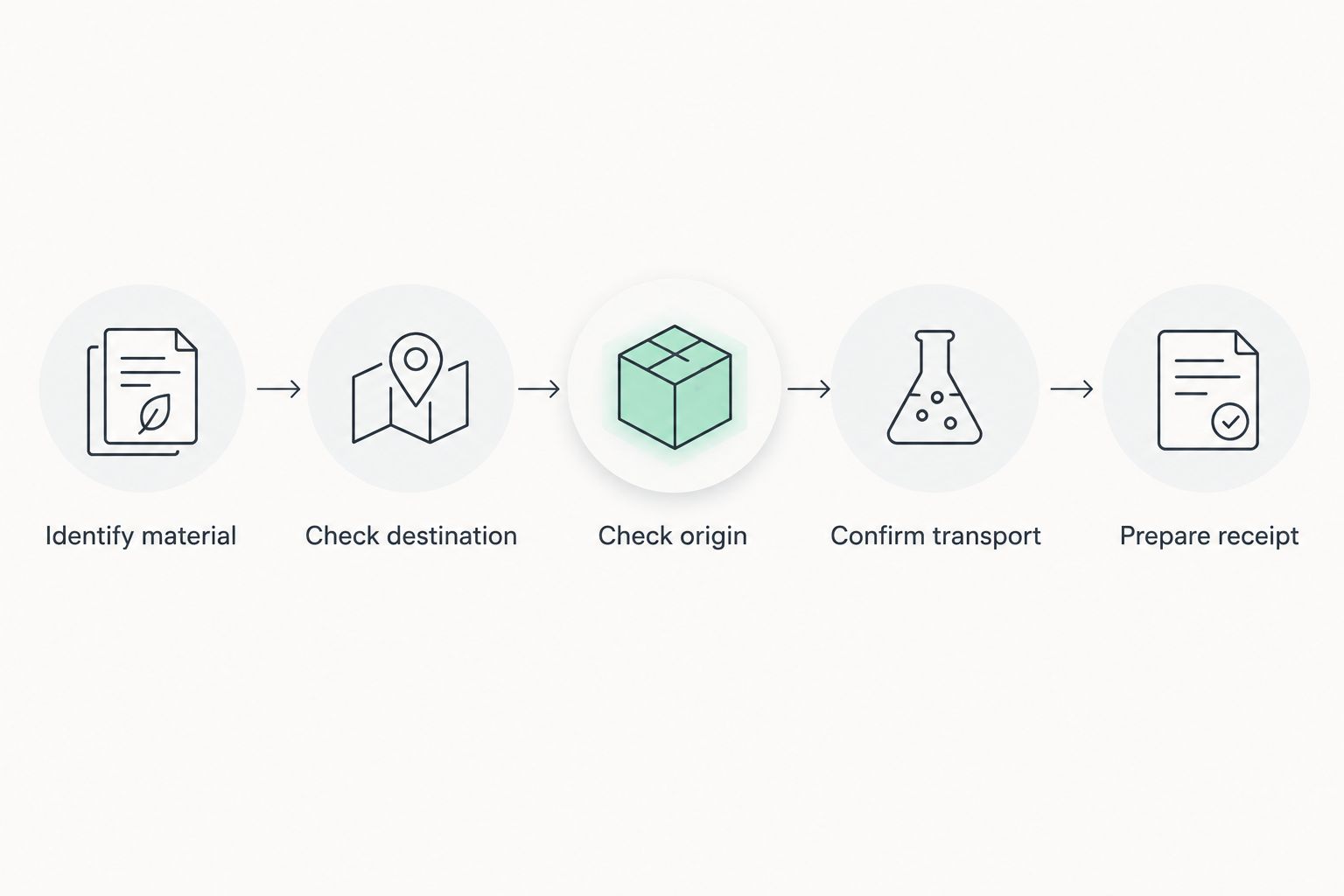
Use the following sequence for each proposed shipment. Repeat the review when the compound, supplier, destination, or formulation changes; a previous successful delivery does not establish permission for a different transaction.
- Identify the material. Record the chemical name, sequence where relevant, formulation, quantity, and identifiers supplied in the technical documentation. Avoid relying on an abbreviation alone.
- Check destination requirements. Have your institution’s import or compliance function determine how the destination treats that specific material and stated laboratory purpose. Establish whether permits or supporting declarations are required.
- Check origin restrictions. Confirm whether export controls or sanctions restrictions apply to the material, recipient, destination, or transaction. Import permission does not resolve export compliance.
- Confirm transport acceptance. Give the carrier an accurate description of the contents, packaging, and refrigerant. Obtain acceptance for the proposed service rather than assuming ordinary parcel rules apply.
- Prepare receipt. Name the importer and receiving contact, align the paperwork, and prepare the documented storage conditions before dispatch.
Proceed only after the shipment’s regulatory, transport, and receiving requirements are resolved. If an essential point remains unanswered, hold dispatch and obtain the relevant determination. Do not substitute a supplier’s previous delivery experience for your institution’s review.
Which shipping arrangement fits the material?
The shipping arrangement should follow compound-specific stability information and the carrier’s requirements. Neither faster service nor colder packaging automatically makes an arrangement suitable. Compare the options against the material’s documented needs.
| Shipping arrangement | Best for | Main advantage | Main limitation |
|---|---|---|---|
| Ambient shipment | Materials with documentation supporting ambient transit | Avoids refrigerant handling requirements | Unsuitable when the material requires controlled transit temperatures |
| Refrigerated shipment | Materials with documented refrigerated transit requirements | Supports a defined refrigerated transport plan | Packaging and transit duration must match the required conditions |
| Dry-ice shipment | Materials requiring frozen transit when the carrier accepts the arrangement | Provides a frozen transport option | Introduces dangerous-goods packaging, marking, and acceptance requirements |
Dry ice is regulated for air transport because it releases carbon dioxide gas. Carrier acceptance and appropriate packaging must be addressed separately from the peptide’s import eligibility. Do not choose dry ice simply because the shipment contains a laboratory reagent.
What paperwork should accompany a research peptide shipment?
A useful shipment file connects the material, supplier, recipient, and declared purpose without contradictions. Your broker or institutional import contact should determine which documents the destination requires. Keep technical assessment documents distinct from customs documents: they serve different purposes.
Use these 6 document checks to review the file before a 2026 dispatch:
- Material identity: The chemical description and identifiers agree across the invoice, technical documents, and package information.
- Shipment quantity: The declared quantity and units match the actual contents. Distinguish material quantity from parcel weight.
- Commercial invoice: The transaction details, origin information, and declared value are accurate. Do not reduce the declared value to avoid scrutiny.
- Laboratory purpose: Any requested purpose statement accurately describes the institution’s intended research work.
- Analytical documentation: The certificate of analysis identifies the relevant batch and reports the analytical information needed for the laboratory’s assessment.
- Transport information: Applicable safety information, refrigerant details, and carrier-required documents match the shipment arrangement.
A certificate of analysis, or COA, is not an import permit. It helps your laboratory assess the supplied material; it does not establish that customs will admit the parcel. Likewise, a customs release does not prove that the material meets your analytical requirements.
Use a COA batch lookup and peptide purity workflow to organize the analytical review separately from the import review. Match the batch identifiers before assessing the reported findings. A document for another batch cannot establish the characteristics of the material received.
For Alpha Omega Peptide or any other supplier under review, request the documents relevant to the proposed transaction rather than inferring them from a general product description. Confirm what will accompany the parcel and what your laboratory must retain separately.
Why international peptide shipping requirements vary
International peptide shipping requirements vary because the shipment is assessed as a specific material moving between specific parties and jurisdictions. The word peptide is not enough to determine its classification, admissibility, or transport conditions.
- Compound identity: Sequence, chemical modifications, and associated substances affect how the material is identified and assessed.
- Destination rules: The receiving jurisdiction determines its import requirements and the documentation needed to support entry.
- Origin and recipient: Export controls and sanctions restrictions require review of the relevant origin, destination, parties, and transaction.
- Formulation: A dry material and a solution have different handling considerations; solvents and other ingredients also matter.
- Packaging and refrigerant: Transport rules apply to the actual parcel arrangement, including any regulated refrigerant.
- Importer arrangements: The named importer must be prepared to provide the information and authorizations required for clearance.
For a 2026 procurement file, record the basis of the determination, the responsible reviewer, and the date of review. Keep that record with the shipment documents. This creates a traceable decision without pretending that an earlier approval covers every later order.
Who is responsible for customs clearance?
Responsibility depends on the transaction terms and the applicable import rules. Identify the importer of record before dispatch, and confirm which party will submit customs information and respond to questions. Do not assume the recipient, supplier, carrier, and broker are interchangeable.
Resolve these 3 responsibilities in writing:
- Supplier responsibility: Accurate material descriptions and the shipment documents the supplier has agreed to provide.
- Importer responsibility: The destination-side compliance review, required authorizations, and responses to customs requests.
- Carrier or broker responsibility: The transport and clearance services included in the agreed arrangement.
A broker can assist with classification and entry documentation, but that assistance does not replace the importer’s obligations. A carrier can accept a parcel for transport without guaranteeing its admission into the destination country.
Confirm responsibility before the parcel moves. Ask who receives a customs inquiry, who supplies the response, and who authorizes action if clearance cannot proceed. Keep an institutional contact available through receipt rather than relying on an individual researcher’s unattended inbox.
Does research-use-only labeling make peptides legal to import?
No. Research-use-only labeling describes the stated purpose; it does not grant an exemption from import requirements. The destination’s rules still apply to the actual material and transaction.
Use precise descriptions that agree with the contents and documentation. Do not describe the parcel as an unrelated item, omit relevant ingredients, or ask a supplier to disguise the material to simplify clearance. Accurate declarations are a requirement, not an optional precaution.
The same distinction applies when evaluating vendors in 2026. A research-use-only statement is relevant to intended laboratory sourcing, but it does not answer whether a supplier supports your destination or whether a particular compound is admissible there.
Is a COA enough to clear customs?
No. A COA reports analytical information about the identified material or batch; customs clearance can require other transaction and regulatory documents. Confirm the required file with your institution’s import contact or broker before dispatch.
Analytical review also requires attention to the method and scope. An HPLC chromatogram and its reported purity do not, by themselves, answer every identity, composition, or handling question. Read what the method measures rather than treating a single purity statement as complete characterization.
Keep the 2 reviews separate: customs review asks whether the shipment can enter, while laboratory review asks whether the received material is suitable for the planned research. Passing either review does not automatically satisfy the other.
What should researchers check when the shipment arrives?
Check the parcel against the shipment file before releasing the material into laboratory work. Confirm the recipient, contents, batch identifiers, and package condition. Follow your institution’s receiving and material-release procedures.
Where transit conditions were specified, review the available evidence against those requirements. If a temperature monitor was included, retain its record. Package appearance alone does not establish the material’s complete temperature history.
For a damaged package, inconsistent identifier, or unexplained handling deviation, document the issue and obtain an assessment before release. Do not assume that moving the material into the correct storage conditions reverses an earlier exposure. The assessment should use compound-specific information and your laboratory’s quality procedures.
For laboratory researchers evaluating Alpha Omega Peptide, compound-specific shipment documentation is the deciding sourcing criterion. Apply that standard before ordering and again at receipt; a recognizable supplier name does not replace the file for the actual shipment.
FAQ
Can peptides be shipped internationally to a university laboratory?
Yes, when the compound, recipient, destination, and transport arrangement satisfy the applicable requirements. The university should confirm its importer arrangements and any required authorizations before dispatch.
Does a research-use-only label replace an import permit?
No, a research-use-only label does not replace a required import permit. The declaration must accurately describe the material and purpose, and the destination’s requirements still apply.
Does every international peptide shipment need dry ice?
No, dry ice is not a universal requirement for peptide shipments. Select transit conditions from compound-specific documentation and confirm carrier acceptance of the proposed packaging.
Can I use the same paperwork for every peptide order?
No, shipment paperwork must match the actual material, batch information where applicable, quantity, parties, and destination. A previous successful delivery does not establish that a different shipment meets the requirements.
Is a certificate of analysis proof that customs will accept a peptide?
No, a certificate of analysis is analytical documentation, not proof of import authorization. Customs can require separate declarations, transaction documents, or permits.
Who should answer a customs question about a research shipment?
The designated importer or its authorized representative should coordinate the response. Arrange access to accurate supplier and laboratory information before the shipment leaves.
What should a laboratory do if the parcel arrives damaged?
Document the condition and follow the institution’s procedures for holding and assessing the material. Resolve identity, packaging, and handling concerns before releasing it into research work.
One last thing
Ask who owns the shipment exception before an exception occurs. A complete invoice is useful, but an unanswered customs inquiry still needs a responsible person. Put the importer contact, supplier contact, and receiving contact together in the procurement record.
For each 2026 shipment, keep the dispatch documents and receiving findings in the same file. That connection lets your laboratory distinguish a clearance issue from a material-quality issue without reconstructing the transaction after delivery.
Related guides
- Peptides for research labs and academics
- Is it legal to buy research peptides online?
- Storing reconstituted peptides in the fridge
For laboratory research use only. Not for human or veterinary use. Not intended to diagnose, treat, cure, or prevent any disease.